Geysha: The Flair of a Handwritten Script Font
In the diverse world of typography, script fonts offer a unique bridge between formal type and personal expression. Among these, Geysha stands out as a particularly distinctive option. It is a beautiful, handwritten script characterized by a significant degree of movement and stylistic flair. For designers, marketers, and creatives evaluating font choices, understanding the specific qualities of Geysha—and where it fits within the broader landscape—is crucial for making an informed selection.
What Makes Geysha Distinct
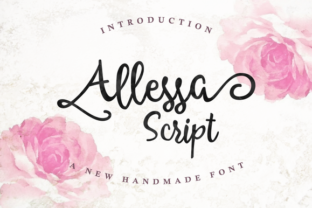
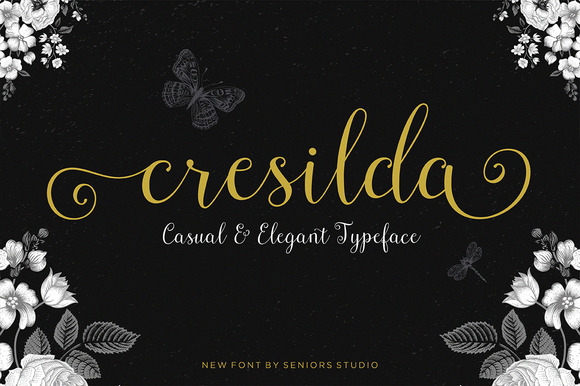
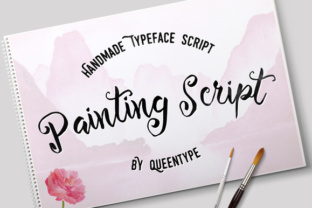
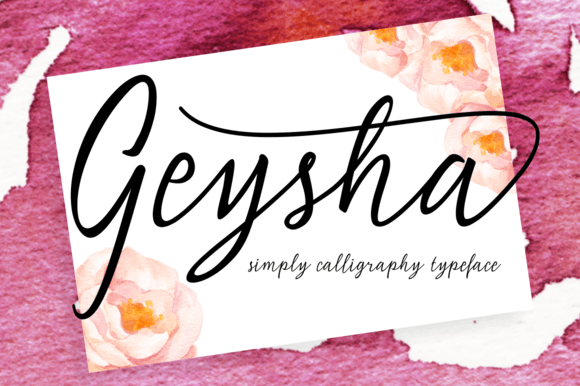
Geysha is not a static, uniform script. Its core identity is built on dynamism. Each letterform possesses a natural, flowing rhythm that mimics the variability of actual handwriting, but with a refined and consistent aesthetic. This creates a font that feels alive and energetic, avoiding the rigid, often artificial look of some digital scripts. The readability of Geysha is a key strength; its letters are clearly formed and spaced, ensuring that its style doesn’t sacrifice function. This balance between high style and legibility is a primary factor in its appeal.
The font’s “ton of movement” refers to its varied stroke weights, playful swashes, and organic connections. Letters don’t simply sit side-by-side; they interact, with curves extending and lines flowing into one another in a deliberate yet casual manner. This makes Geysha feel less like a tool and more like an artistic element in itself.
Comparing Script Font Styles and Their Applications
When exploring script fonts, you’ll encounter a spectrum from formal copperplate scripts to casual, brush-style handwritten fonts. Geysha occupies a versatile middle ground. It is more structured and legible than extremely rough or grungy brush scripts, making it suitable for longer text passages. Conversely, it is far more relaxed and expressive than highly formal, monoline scripts often used for invitations.
This position gives Geysha a wide range of potential applications. It looks particularly compelling in fashion-related design, where its elegance and movement can complement clothing photography or brand messaging. In editorial design, for magazine headlines, pull quotes, or feature titles, Geysha adds a touch of sophisticated personality without overwhelming the layout. For special event design—such as modern weddings, gallery openings, or boutique launches—it provides a contemporary and stylish alternative to more traditional cursive options.
Strengths and Practical Tradeoffs
The strengths of Geysha are evident in its aesthetic impact and versatility. Its inherent beauty can elevate a design project immediately, providing a ready-made artistic touch. Its readability means it can be used not just for single words or logos, but for short paragraphs or emphasized text blocks.
However, there are natural tradeoffs to consider. A font with such pronounced movement and style may not be the best fit for every context. Its personality is strong, which means it can clash with minimalist, ultra-modern, or highly technical design schemes. Overuse in a project could lead to a design feeling overly decorative or busy. Furthermore, like many expressive scripts, Geysha might not perform optimally in very small sizes or in low-contrast situations, where its delicate details could become lost or muddy.
When Geysha Is the Right Choice
Geysha is likely an excellent fit when your project requires a blend of elegance and energy. If you are aiming for a look that is “special” but not “stuffy,” Geysha offers that balance. Consider it for:
- Branding for creative businesses: A boutique, a photography studio, or a lifestyle blog seeking a personal, high-quality touch.
- Promotional materials for events: Posters or digital ads for a fashion show, an art exhibition, or a chic product launch.
- Highlighting key content: Using it for headlines or call-out quotes within a larger body of simpler text to create visual hierarchy and interest.
In these scenarios, Geysha acts as a focal point, imparting emotion and style directly through typography.
When You Might Need Another Option
An informed decision also involves recognizing when a different font category would be more appropriate. If your project’s primary needs are neutrality, maximum readability at all sizes, or a purely functional tone, a clean sans-serif or serif font is probably the better foundation. For instance, a technical manual, a financial report, or a user interface demands clarity and universality over stylistic flair.
Similarly, if the desired handwritten aesthetic is more rustic, raw, or deliberately imperfect, a true brush script or grunge font might capture that feeling more authentically than the refined elegance of Geysha. Conversely, for projects demanding extreme formality and tradition, such as classic wedding invitations or legal certificates, a more precise and structured script font would be the conventional choice.
Evaluating Fonts for Your Specific Project
The decision to use Geysha, or any expressive font, should come from a clear assessment of your project's goals. Start by defining the tone: is it romantic, energetic, sophisticated, casual, or authoritative? Geysha leans towards romantic, energetic, and sophisticated. Next, consider the practical constraints: available space, background colors, supporting imagery, and the length of text you need to set. Geysha works best when it has room to breathe and isn’t forced into cramped or overly complex layouts.
Finally, always test the font in context. Create mock-ups with your actual copy and imagery. See how Geysha interacts with other design elements. Does it dominate undesirably? Does it harmonize? This practical comparison within your own draft layout is the most reliable evaluation method.
The Role of Handwritten Fonts in Modern Design
Fonts like Geysha fulfill a growing need in digital and print design for human connection. In a landscape often dominated by sleek, geometric typefaces, a well-executed script font introduces warmth and personality. It can make a brand feel more approachable or a publication feel more curated. Geysha, with its balance of style and readability, serves this role effectively for projects that want personality without sacrificing professionalism.
Choosing a font is ultimately about matching a tool to a task. Geysha is a powerful and beautiful tool for specific tasks. Its unique combination of movement, style, and clarity makes it a compelling option for designers looking to infuse their work with a handwritten elegance. By understanding its distinct place within the wider typography ecosystem—its strengths, its ideal applications, and the situations where alternatives might serve better—you can confidently evaluate whether Geysha is the right resource for your next fashion spread, editorial feature, or special event design.