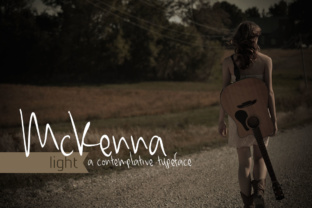
The McKenna Light Script: A Contemplative Tool for Modern Expression
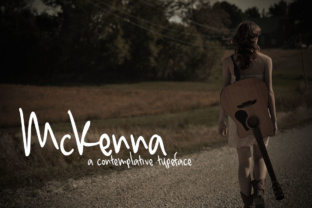
In a world where digital text is uniform and communication often feels transactional, the handwritten word carries a distinct, personal weight. For professionals, creators, and anyone who values thoughtful expression, the choice of script can be more than aesthetic; it can be a tool. McKenna Light emerges as a uniquely crafted handwritten font designed not merely for decoration, but for contemplation. Its gentle, flowing strokes and open letterforms are built with a specific intent: to serve as a companion for notes, ideas, and meaningful communication.
Why Your Font Choice Matters Beyond Design
Many view fonts as a finishing touch, a layer applied to make content look "nice." However, the typography you select interacts directly with your audience's perception and your own creative process. A dense, rigid typeface can convey authority but also impose formality. A overly casual script might seem playful but lack gravitas. McKenna Light occupies a thoughtful middle ground. Its "contemplative" design philosophy means each character is drawn to feel deliberate yet unhurried, lending a sense of care and authenticity to the words it forms. This isn't about replicating frantic scribbles; it's about evoking the clarity of considered handwriting.
For the blogger drafting a personal essay, the entrepreneur writing a heartfelt mission statement, or the educator preparing study notes, McKenna Light provides a visual tone that aligns with reflective content. It signals to the reader that the text is worth pausing over, creating a subtle psychological bridge between the message and its reception.
Transforming Everyday Notes into Meaningful Artefacts
The core recommendation that McKenna Light is "great for notes" speaks to its most practical utility. Consider the daily act of jotting down ideas. Using a default system font on a digital note-taking app often feels ephemeral, like typing into a void. Applying McKenna Light changes the texture of that experience. Your brainstorming sessions, meeting minutes, or project outlines suddenly gain a crafted, almost tactile quality.
This has tangible benefits for memory and engagement. Studies suggest that distinct visual cues can enhance information retention. When your notes possess a unique and pleasant visual character, you're more likely to revisit and engage with them. A freelance graphic designer might use McKenna Light in client mood boards to hand-write conceptual thoughts, making the ideas feel more personal and developed. A student could use it to annotate digital textbooks, where the handwritten-style comments stand out clearly from the printed source text, improving study efficiency.
Strengthening Personal and Professional Communication
In communication where trust and personality are vital, McKenna Light serves as a powerful, yet understated, ally. Email signatures, presentation slide quotes, or highlighted text in a PDF guide gain warmth when rendered in this script. It avoids the clinical feel of standard fonts without venturing into the potentially unprofessional territory of overly whimsical handwriting styles.
For instance, a small business owner sending a thank-you email to a loyal customer could use McKenna Light for the key message of gratitude, making it feel personally penned. A marketer creating a social media graphic for a brand story could use the font for a pivotal quote, ensuring the narrative feels authentic. The key is strategic application—using it to emphasize elements that benefit from a human touch, thereby strengthening the emotional resonance of your communication.
Supporting Creative Flow and Reducing Cognitive Friction
Creative work often involves navigating between structured thinking and free-flowing ideation. Bland, utilitarian interfaces and typography can unconsciously impose a rigid framework. Introducing a visually soothing element like McKenna Light into your creative environment can support a calmer, more open mindset. Its light stroke weight and ample spacing make text easy to read without strain, which is crucial during long drafting sessions.
A novelist writing in a distraction-free editor might set McKenna Light as the display font to make the manuscript feel more like a personal draft, encouraging a freer first pass. A hobbyist journaling digitally could use the font exclusively, transforming the app into a space that feels dedicated and serene. This deliberate choice simplifies the decision of "how" to write, allowing you to focus more completely on "what" to write, thus supporting creative goals and increasing efficiency.
Who Benefits Most from McKenna Light?
While many can appreciate its aesthetics, McKenna Light offers particular value to specific users. Professionals whose work blends analysis with narrative—such as consultants, coaches, and content strategists—will find it useful for framing insights in a relatable way. Educators and trainers creating materials that aim to inspire, not just inform, can use it to soften the digital learning experience. Creators across fields—from podcasters writing show notes to artists describing their work—benefit from a font that mirrors the personal investment in their craft.
It is, however, important to consider fit. McKenna Light is not designed for long blocks of body text in formal reports or legal documents. Its strength lies in application for titles, call-outs, annotations, and short-to-medium length texts where its character can shine without compromising readability. Users should compare it against other handwritten scripts for their specific need, noting McKenna Light’s particular balance of elegance and approachability, which sets it apart from more dramatic or childlike handwritten fonts.
A Practical Approach to Implementing McKenna Light
To integrate McKenna Light effectively, start with specific use cases rather than applying it universally. Identify elements in your workflow that currently feel impersonal or could benefit from elevated attention. This might be the headers in your personal knowledge base, the key takeaways in your presentation decks, or the direct quotes in your blog posts.
Observe how its use changes your interaction with the text. Does drafting feel slightly more engaging? Do your notes seem more organized and inviting to review? The goal is to make the tool serve your process, not just your presentation. By pairing McKenna Light with clean, supportive layout choices and contrasting it with simple sans-serif fonts for body text, you create a harmonious and highly functional design system that feels both modern and human.
Ultimately, McKenna Light is more than a font. It is a digital resource that captures the intention and care of handwriting, designed for the contemporary user who operates in digital spaces but values authentic expression. It offers a way to reclaim a sense of personal touch in typed communication, to make notes feel like lasting thoughts, and to add a layer of contemplative clarity to the words that matter most.